 Arctic Council Working Group
 - Steering Group members: CBMP Marine Steering group
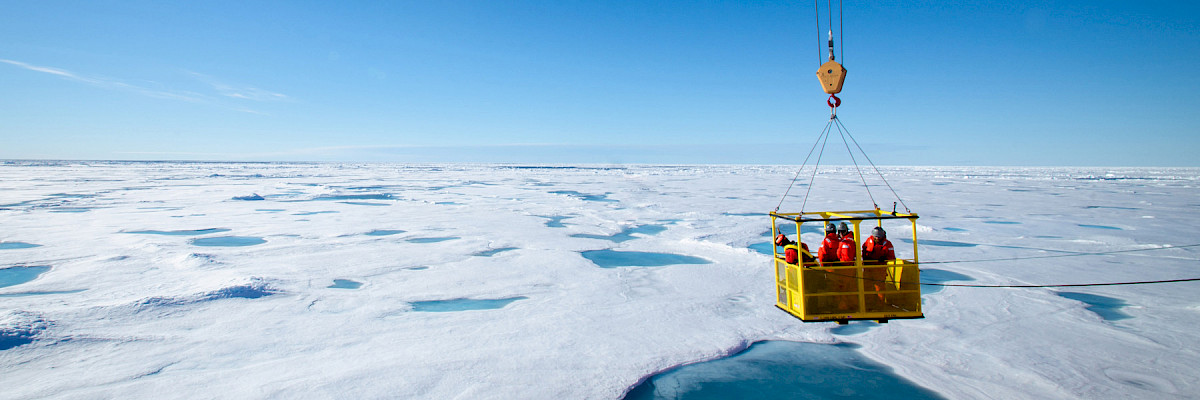
CBMP Marine Biodiversity Monitoring
The CBMP is working with partners across the Arctic to harmonize and enhance long-term marine monitoring efforts, and to facilitate more powerful and cost-effective assessments through the generation of, and access to, improved circumpolar datasets.
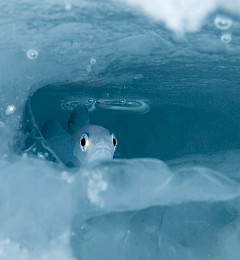
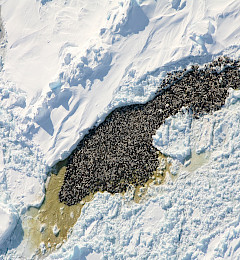
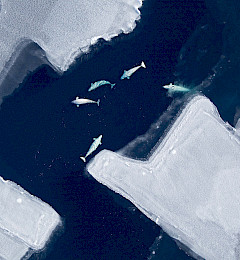
For oceans, these efforts are led by a Marine Steering Group with expertise from six Marine Expert Networks (Sea ice biota, Plankton, Benthos, Marine fishes, Seabirds and Marine mammals) who are working to implement the Arctic Marine Biodiversity Monitoring Plan.
The Arctic Marine Biodiversity Monitoring Plan is an agreement across Arctic nations to compile, harmonize and compare results from existing Arctic marine biodiversity and ecosystem monitoring efforts, across nations and oceans.
The CBMP Marine group has identified key elements, called Focal Ecosystem Components (FECs), of the Arctic marine ecosystem, where changes in FEC status likely indicate changes in the overall marine environment. For the purposes of reporting and comparison, eight physically and bio-geochemically distinct Arctic Marine Areas (AMAs) were identified.
Steering group
Marine Key Publications
Latest publications
In this section / Topics
Experts
-

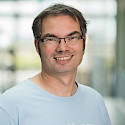
Thomas Juul-Pedersen
CBMP Marine Steering Group; CBMP Marine Sea Ice Biota Expert NetworkKingdom of Denmark -

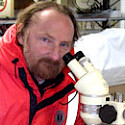
Geneviève Desportes
CBMP Marine- Mammals Expert NetworkKingdom of Denmark Observer Organization North Atlantic Marine Mammal Commission (NAMMCO) -
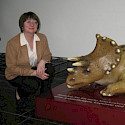
Connie Lovejoy
CBMP Marine- Sea Ice Biota Expert Network, CBMP Marine- Co-Lead Plankton Expert Network, ABA lead authorCanada -

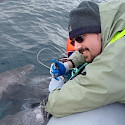
David Grémillet
CBMP Marine- Seabirds Expert, AMBI Circumpolar Flyway Committee representativeFrance -
Mikael Kristian Sejr
CBMP Coastal Steering Group : CBMP Marine-Benthos Expert NetworkKingdom of Denmark

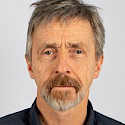
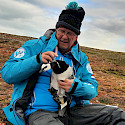
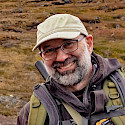
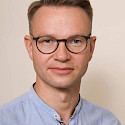
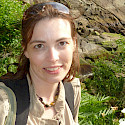
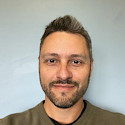

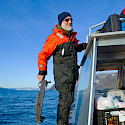
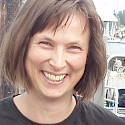
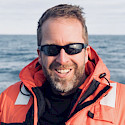

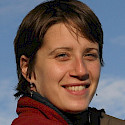
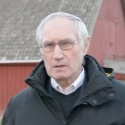

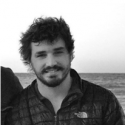




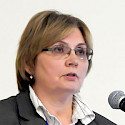
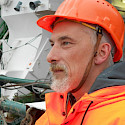
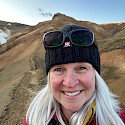
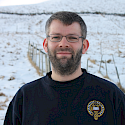










CBMP Marine Steering group
Lead Working Groups
CAFFLead Arctic States & Permanent Participants
IcelandNorway
Engaged observers
GermanyInternational Council for the Exploration of the Sea (ICES)
North Atlantic Marine Mammal Commission (NAMMCO)
Poland