Arctic terrestrial ecosystems are under increasing pressures from:
Vegetation in the Arctic/ Photo: Niels Martin SchmidtClimate change
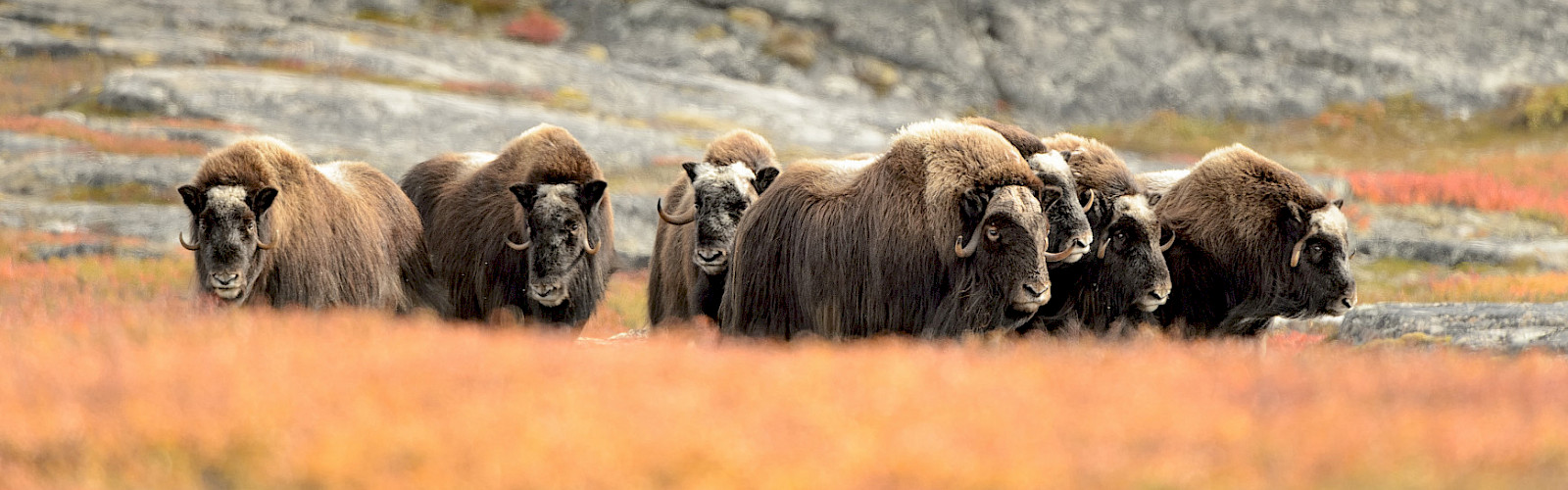
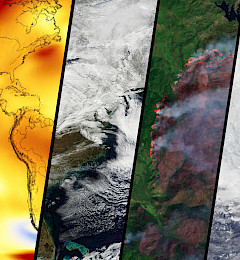
The composition of Arctic biodiversity is highly related to temperature. Temperature can affect terrestrial ecosystems through thawing permafrost, snowmelt, drought, fires, changes in phenology (with subsequent implications on the food web), encroachment of invasive species, pest outbreaks and disease transmissions. For some species that feed and reproduce in the short Arctic summer, longer growing seasons may be an advantage, but specialized Arctic wildlife are predicted to be negatively affected.
Reindeer herding in Norway/ Photo: Lawrence Hislop, UNEP-GRID ArendalExactly how these pressures - alone and in combination - affect terrestrial species and ecosystems is unknown because the Arctic´s complexity and size make it difficult to detect and attribute changes. In addition, existing terrestrial monitoring efforts are often uncoordinated, limiting the ability to efficiently make effective management decisions, despite increasing urgency and pressure to act.
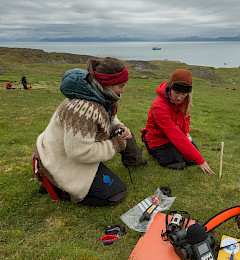
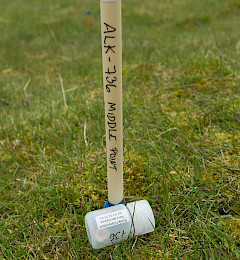
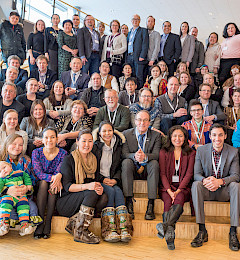
The Circumpolar Biodiversity Monitoring Program (CBMP) is working with partners, including existing terrestrial monitoring networks, across the Arctic to harmonize and enhance long-term terrestrial monitoring efforts. These efforts are led by a Terrestrial Ecosystem Monitoring Group (TEMG).
The TEMG is developing an Arctic Terrestrial Biodiversity Plan expected to be released in 2013.

![]()